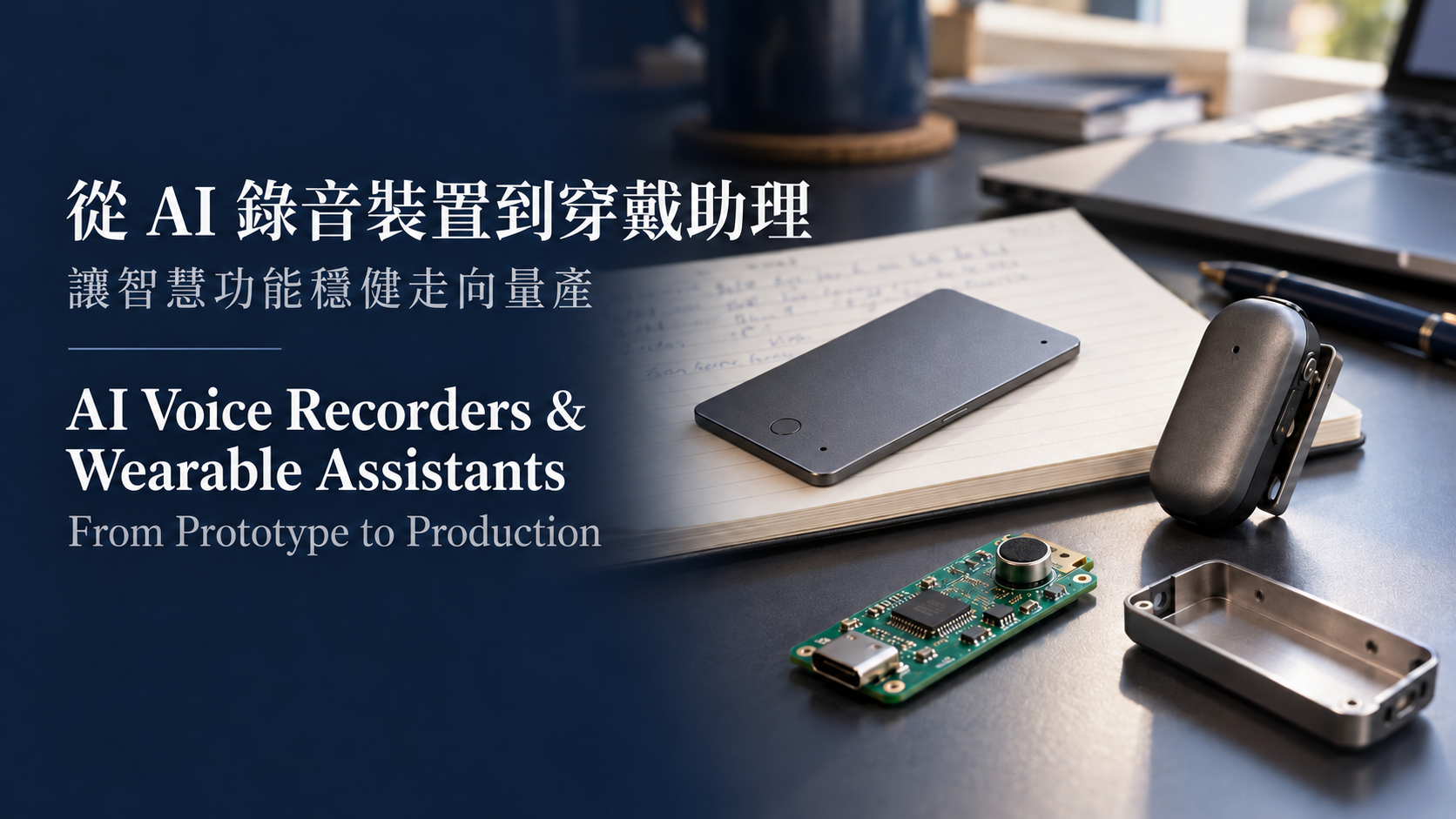
Automatically summarizing key points and creating to-do lists after meetings are becoming common uses for a new generation of electronic products. From portable recording cards to clip-on wearable assistants, AI is gradually becoming part of everyday work. CES 2026 also showcased wearable AI note-taking devices, highlighting new product ideas that combine voice recording with artificial intelligence. For brands, turning a convenient user experience into a reliable product that is ready for mass production is an important task to consider early.
Define Hardware Needs Based on How the Product Will Be Used
AI processing may take place in the cloud or on the device. Each approach has different needs for computing, storage, connectivity and battery power. Early in the design process, teams should first define recording duration, audio quality and data transfer methods. They can then evaluate microphone placement, power management and component selection. This helps avoid repeated hardware changes after the features have been decided. How the product is used also affects its design. A device placed on a meeting table and one clipped to a collar will face different recording distances, sound directions and environments. Testing prototypes in their intended settings helps ensure that product specifications match the actual user experience.
Compact Products Need Early Integration Planning
The smaller and lighter a product is, the more important the arrangement of its circuit board, battery, connectors and enclosure becomes. Before PCBA pilot production, teams should review SMT assembly requirements and check microphone openings, button positions and charging ports. This helps reduce the risk of finding mechanical interference or recording problems after PCB assembly is complete. For example, teams should check whether the clip is easy to assemble and whether there is enough space for the battery and wiring. Testing pilot units with the actual enclosure can help identify problems earlier.
Plan Sourcing and Testing for Smooth Mass Production
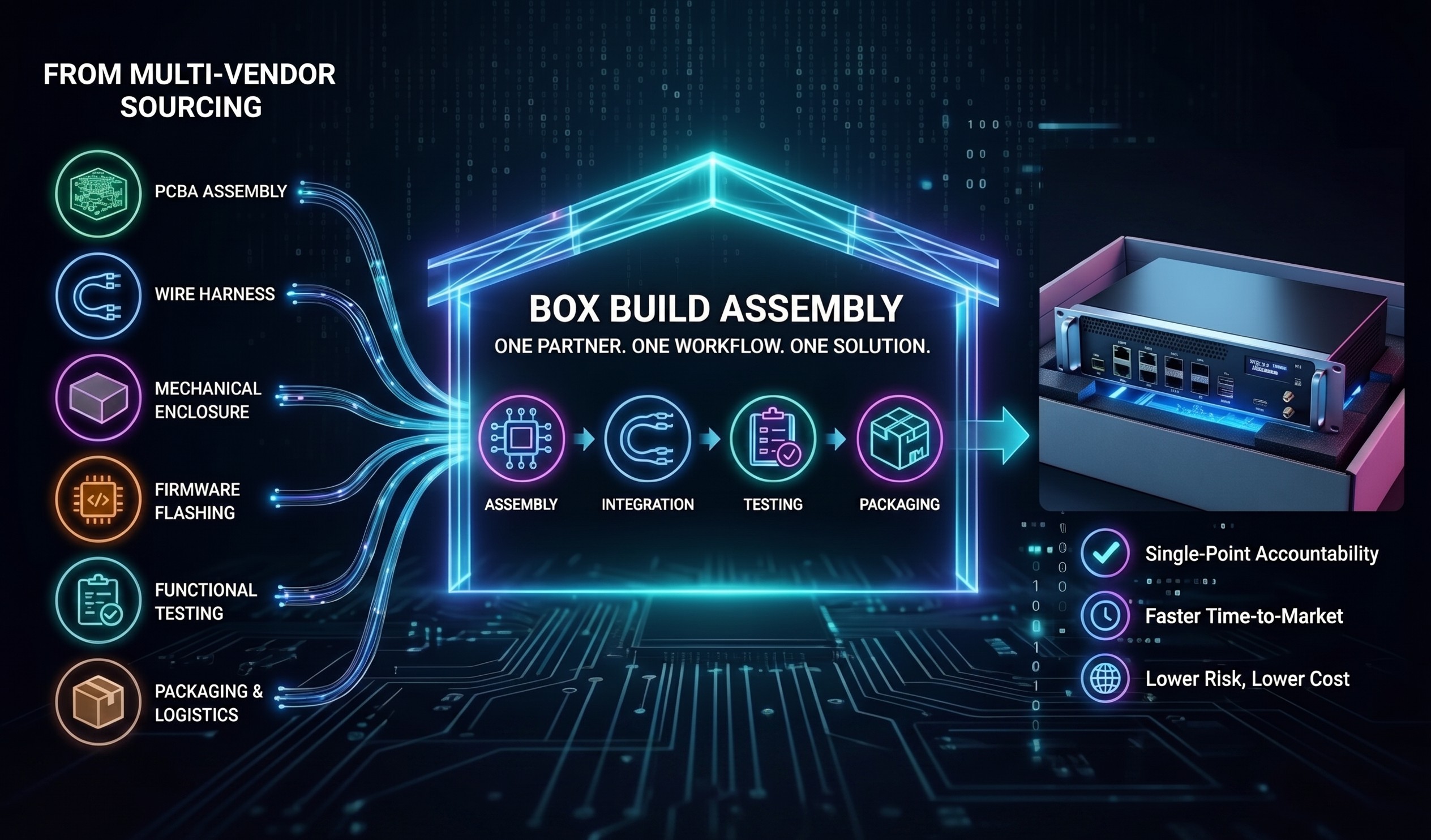
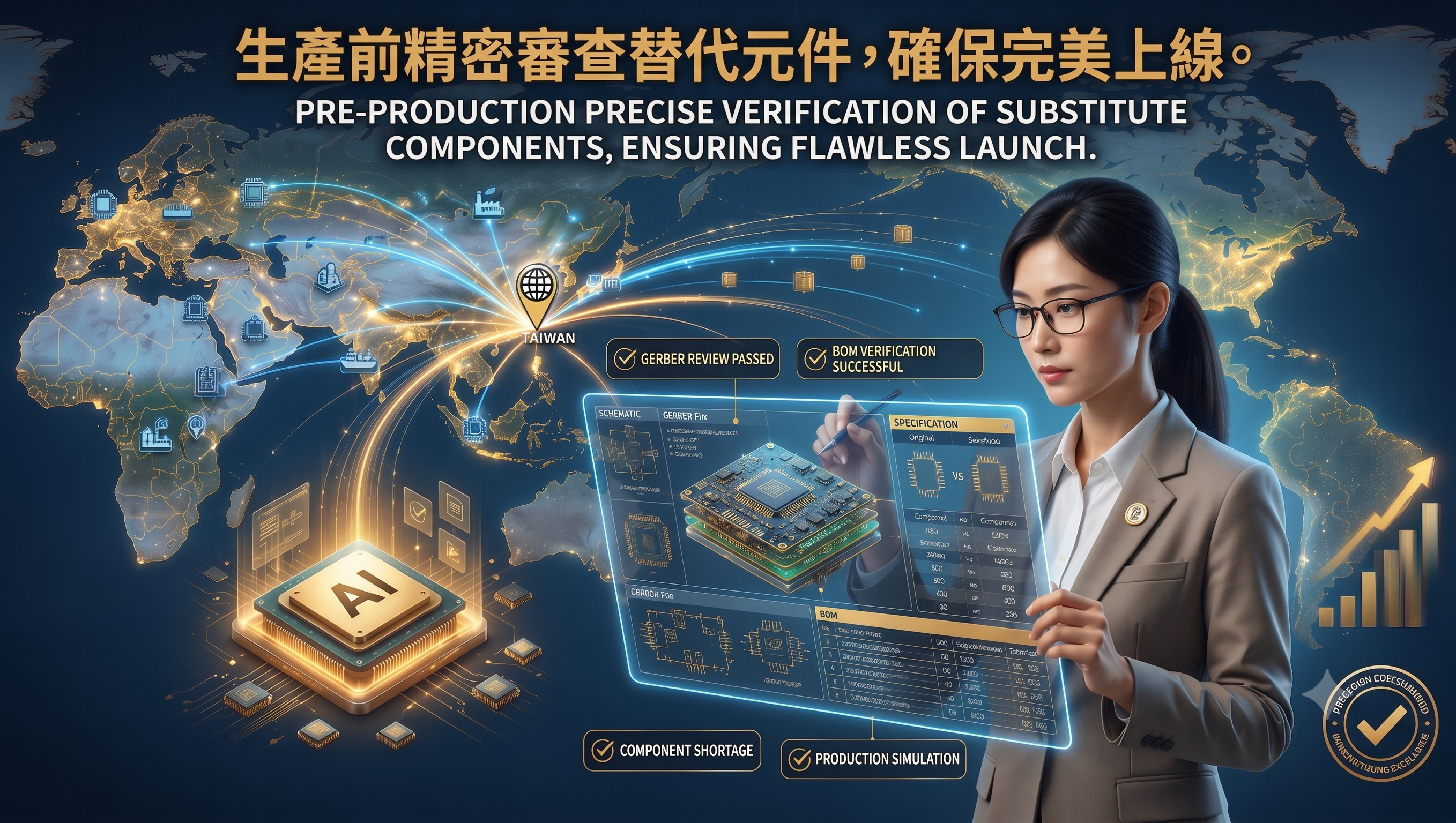
Procurement teams should plan for key component lead times, continued availability and alternative component validation alongside product development. Even if alternative components have the same dimensions and pin assignments, the engineering team should verify their performance and firmware compatibility before approving their use. Based on product requirements, engineering teams can define tests for recording, charging and connectivity, along with firmware version checks. Clear test conditions and acceptance criteria should also be established. Keeping records of issues and improvements during pilot production helps maintain consistent procedures in mass production and reduces repeated checks and rework. Effy Deal Global brings together PCB manufacturing, component sourcing, PCB assembly, mechanical parts, programming and testing as part of our integrated electronics manufacturing services. We work with you to clarify manufacturing needs from prototype to mass production, helping turn your ideas into a clear and reliable production plan.